Watermelon Juice

Watermelon Juice is a refreshing, hydrating drink made by blending fresh watermelon with lime juice and optional sweeteners or herbs. Naturally sweet and packed with vitamins, it’s perfect for hot summer days. This vibrant juice can be served over ice, strained for smoothness, and spiced up with chili or mint for a bold twist.

🍉 Fresh Watermelon Juice Recipe

Ingredients:

  • 4 cups seedless watermelon, cubed (chilled if possible)
  • 1 tablespoon fresh lime juice (optional)
  • A few mint leaves (optional)
  • 1–2 teaspoons honey or agave syrup (optional, to taste)
  • Ice cubes (for serving)

Instructions:

  1. Blend: Place the watermelon cubes in a blender. Add lime juice and mint leaves if using.
  2. Sweeten (if needed): Taste the juice. If it’s not sweet enough, add honey or agave syrup.
  3. Strain (optional): For a smoother juice, pour through a fine mesh strainer or cheesecloth.
  4. Serve: Pour into glasses over ice and garnish with a mint sprig or a small watermelon wedge.

💡 Tips:

  • For a cool twist, freeze watermelon chunks and blend for a slushy version.
  • Add a pinch of black salt or chili powder for a tangy, spicy kick (popular in Indian-style watermelon juice).

🔥 Spicy Watermelon Juice Recipe

Ingredients:

  • 4 cups seedless watermelon, cubed and chilled
  • Juice of 1 lime
  • 1 tablespoon honey or agave syrup (optional)
  • 1 small fresh jalapeño or chili (seeds removed for mild, leave in for heat)
  • Pinch of chili powder or Tajín (optional garnish)
  • Ice cubes
  • Fresh mint or basil (optional garnish)

Instructions:

  1. Blend: Combine watermelon, lime juice, honey (if using), and jalapeño in a blender. Blend until smooth.
  2. Strain (optional): For a smoother texture, strain through a fine mesh sieve.
  3. Serve: Pour over ice into a glass. Sprinkle a pinch of chili powder or Tajín on top.
  4. Garnish: Add a sprig of mint or basil and a thin slice of chili for presentation.

🌶️ Flavor Tip:

For extra flair, rim your glass with lime juice and Tajín before pouring in the juice.


🍍 Tropical Watermelon Juice Recipe

Ingredients:

  • 3 cups seedless watermelon, cubed
  • 1/2 cup pineapple chunks (fresh or canned)
  • 1/2 cup coconut water or mango juice
  • Juice of 1 lime
  • 1–2 teaspoons honey or agave syrup (optional)
  • Ice cubes
  • Fresh mint or pineapple wedge (for garnish)

Instructions:

  1. Blend: Add watermelon, pineapple, coconut water (or mango juice), and lime juice to a blender. Blend until smooth.
  2. Sweeten (optional): Taste and add honey or agave if needed.
  3. Strain (optional): For a smoother drink, strain through a fine mesh sieve.
  4. Serve: Pour over ice and garnish with mint or a small pineapple wedge.

🍹 Tip:

For a frozen version, use frozen pineapple and watermelon cubes and skip the ice.

Gazpacho

Gazpacho

Gazpacho is a cold soup made from raw vegetables, most famously tomatoes, and is traditionally served chilled. It originated in southern Spain, particularly the Andalusian region, and is especially popular during the hot summer months. Ingredients are blended together into a smooth or slightly chunky soup, depending on preference. It’s often garnished with diced vegetables, herbs like parsley or basil, or a drizzle of olive oil.

🥣 Classic Gazpacho Recipe

Servings: 4–6
Prep Time: 15 minutes
Chill Time: 1–2 hours (or overnight for best flavor)
Difficulty: Easy

🛒 Ingredients:

  • 2 lbs ripe tomatoes (about 5–6 medium), cored and chopped
  • 1 cucumber, peeled, seeded, and chopped
  • 1 red bell pepper, chopped
  • 1/2 red onion, chopped
  • 2 garlic cloves, minced
  • 2 tbsp red wine vinegar
  • 1/4 cup extra-virgin olive oil
  • 1–2 cups tomato juice (adjust for desired thickness)
  • Salt and pepper, to taste
  • Optional garnish: chopped cucumber, croutons, chopped fresh basil or parsley, drizzle of olive oil

🔪 Instructions:

  1. Prep the vegetables:
    Chop tomatoes, cucumber, bell pepper, onion, and garlic.
  2. Blend:
    Add all chopped ingredients to a blender or food processor. Blend until smooth (or leave slightly chunky for texture, if preferred).
  3. Add liquids:
    Pour in the vinegar, olive oil, and 1 cup of tomato juice. Blend again. Add more juice if needed to thin the soup.
  4. Season:
    Add salt and pepper to taste. Blend one final time.
  5. Chill:
    Transfer to a bowl or pitcher, cover, and chill for at least 1 hour before serving.
  6. Serve:
    Stir well before serving. Garnish with your favorite toppings.

Gazpacho

🌶️ Spicy Gazpacho Recipe

Servings: 4–6
Prep Time: 15 minutes
Chill Time: 1–2 hours
Difficulty: Easy
Heat Level: Medium to Hot (adjustable)

🛒 Ingredients:

  • 2 lbs ripe tomatoes, cored and chopped
  • 1 cucumber, peeled, seeded, and chopped
  • 1 red bell pepper, chopped
  • 1/2 red onion, chopped
  • 2 garlic cloves, minced
  • 1 small jalapeño (seeded for mild heat, or leave seeds in for extra kick)
  • 1–2 tsp hot sauce (e.g. Tabasco or your favorite)
  • 1/4 tsp cayenne pepper (optional, for extra heat)
  • 2 tbsp red wine vinegar
  • 1/4 cup extra-virgin olive oil
  • 1–2 cups tomato juice
  • Salt and black pepper, to taste
  • Optional garnish: diced avocado, chopped cilantro, chili oil drizzle, or spicy croutons

🔪 Instructions:

  1. Prepare ingredients:
    Chop all vegetables. Carefully handle the jalapeño—wear gloves if needed and wash hands afterward.
  2. Blend:
    Add chopped tomatoes, cucumber, bell pepper, onion, garlic, and jalapeño to a blender or food processor. Blend until smooth.
  3. Add heat and flavor:
    Pour in hot sauce, cayenne (if using), vinegar, olive oil, and 1 cup of tomato juice. Blend again until combined. Adjust thickness with more juice.
  4. Season:
    Add salt and pepper to taste. Blend once more.
  5. Chill:
    Chill for at least 1 hour to let flavors develop.
  6. Serve chilled:
    Stir before serving. Garnish with spicy toppings for extra flare.

Gazpacho

🔥 Roasted Pepper Gazpacho Recipe

Servings: 4–6
Prep Time: 20 minutes
Chill Time: 1–2 hours
Difficulty: Easy to Moderate
Flavor Profile: Smoky, spicy, and refreshing

🛒 Ingredients:

  • 4 large ripe tomatoes, chopped
  • 2 red bell peppers, roasted, peeled, and chopped
  • 1 small poblano pepper, roasted, peeled, and chopped (adds smokiness without too much heat)
  • 1 cucumber, peeled, seeded, and chopped
  • 1/2 red onion, chopped
  • 2 garlic cloves, minced
  • 1 tbsp sherry vinegar (or red wine vinegar)
  • 1/4 cup extra-virgin olive oil
  • 1–2 cups tomato juice
  • 1 tsp smoked paprika
  • Salt and black pepper, to taste
  • Optional heat: pinch of cayenne or a roasted jalapeño
  • Optional garnish: chopped roasted pepper strips, smoked sea salt, crumbled feta, or grilled bread

🔥 How to Roast Peppers:

  1. Roast:
    Place peppers over an open flame (gas burner or grill) or under a broiler, turning until blackened on all sides.
  2. Steam:
    Place in a bowl and cover with plastic wrap or a lid for 10 minutes to loosen skins.
  3. Peel & Seed:
    Rub off blackened skin, remove stems and seeds, and chop.

🔪 Instructions:

  1. Blend:
    In a blender or food processor, combine tomatoes, roasted peppers, cucumber, onion, and garlic. Blend until mostly smooth.
  2. Season:
    Add vinegar, olive oil, smoked paprika, and 1 cup tomato juice. Blend again. Add more juice for a thinner consistency.
  3. Adjust flavor:
    Add salt, pepper, and optional cayenne to taste.
  4. Chill:
    Refrigerate at least 1 hour to allow flavors to meld.
  5. Serve:
    Stir before serving. Garnish with toppings of your choice.

Roasted Tomatoes with Garlic and Thyme

Roasted Tomatoes with Garlic and Thyme

Roasted tomatoes are a simple yet flavorful dish made by slow-cooking fresh tomatoes in the oven with olive oil, garlic, herbs, and a touch of salt. The roasting process intensifies their natural sweetness, softens their texture, and brings out rich, savory flavors. Perfect as a side dish, pasta topping, or base for sauces and soups, roasted tomatoes add depth and warmth to any meal.

Roasted Tomatoes with Garlic and Thyme

🍅 Ingredients:

  • 2 pounds cherry or grape tomatoes (or any small ripe tomatoes), halved
  • 4–5 cloves garlic, thinly sliced
  • 2 tablespoons olive oil
  • 6–8 fresh thyme sprigs (or 1 teaspoon dried thyme)
  • ½ teaspoon salt
  • ¼ teaspoon freshly ground black pepper
  • Optional: balsamic glaze or vinegar for drizzling

🔥 Instructions:

  1. Preheat Oven
    Preheat your oven to 400°F (200°C).
  2. Prepare the Tomatoes
    Place halved tomatoes in a large bowl. Add sliced garlic, olive oil, thyme, salt, and pepper. Toss gently to coat everything evenly.
  3. Roast
    Spread the tomato mixture in a single layer on a parchment-lined baking sheet (cut side up for extra caramelization).
  4. Bake
    Roast for 25–30 minutes, or until tomatoes are soft, slightly shriveled, and caramelized around the edges.
  5. Finish
    Remove from oven and let cool slightly. Discard thyme sprigs if using fresh. Optional: drizzle with balsamic glaze for a sweet-tart finish.

🌿 Serving Suggestions:

  • Over toasted bread or bruschetta
  • Tossed into pasta or salads
  • As a topping for grilled meats or fish
  • Mixed into grain bowls or risotto

Roasted Tomatoes with Garlic and Thyme

Spicy Roasted Tomatoes with Garlic and Thyme

🔥 Ingredients:

  • 2 pounds cherry or grape tomatoes, halved
  • 4–5 garlic cloves, thinly sliced
  • 2 tablespoons olive oil
  • 6–8 thyme sprigs (or 1 teaspoon dried thyme)
  • ½ teaspoon salt
  • ¼ teaspoon black pepper
  • ¼ to ½ teaspoon red pepper flakes (adjust to taste)
  • Optional: 1 small fresh chili (like serrano or Thai), finely sliced
  • Optional: drizzle of chili oil or hot honey for serving

🌶 Instructions:

  1. Preheat Oven
    Preheat your oven to 400°F (200°C).
  2. Season the Tomatoes
    In a large bowl, combine halved tomatoes, sliced garlic, olive oil, thyme, salt, pepper, red pepper flakes, and fresh chili (if using). Toss until well coated.
  3. Arrange and Roast
    Spread the mixture in a single layer on a parchment-lined baking sheet, cut side up. Roast for 25–30 minutes until tomatoes are soft and caramelized, with golden edges and sizzling garlic.
  4. Finish and Serve
    Remove from oven and let cool slightly. Discard thyme sprigs if using fresh. Optional: drizzle with chili oil or hot honey for extra kick.

🔥 Serving Tips:

  • Use as a spicy pizza topping
  • Mix into scrambled eggs or omelets
  • Serve with grilled chicken or shrimp
  • Stir into spicy pasta dishes or couscous

🍓 Strawberry Crisp

Strawberry Crisp

Strawberry crisp is a warm, comforting dessert made with juicy, sweet strawberries topped with a buttery, crumbly oat topping. Baked until bubbly and golden, it combines the freshness of ripe berries with the satisfying crunch of a brown sugar and oat crust. Often served with a scoop of vanilla ice cream or whipped cream, it’s a simple and delicious way to enjoy seasonal strawberries.

🍓 Strawberry Crisp

Servings: 6
Prep Time: 15 minutes
Cook Time: 35-40 minutes
Total Time: 50-55 minutes

🥣 Ingredients

For the Filling:

  • 5 cups fresh strawberries, hulled and halved (or quartered if large)
  • 2 tablespoons cornstarch (or 3 tablespoons flour)
  • 1/4 cup granulated sugar
  • 1 tablespoon lemon juice
  • 1 teaspoon vanilla extract

For the Crisp Topping:

  • 3/4 cup old-fashioned rolled oats
  • 1/2 cup all-purpose flour
  • 1/3 cup light brown sugar, packed
  • 1/4 cup granulated sugar
  • 1/2 teaspoon cinnamon
  • 1/4 teaspoon salt
  • 1/2 cup unsalted butter, cold and cubed

🧑‍🍳 Instructions

  1. Preheat Oven
    Preheat your oven to 350°F (175°C).
  2. Prepare the Filling
    In a large bowl, combine strawberries, cornstarch, sugar, lemon juice, and vanilla. Stir gently until evenly coated. Pour the mixture into a greased 8×8-inch (or similar size) baking dish.
  3. Make the Crisp Topping
    In another bowl, mix together oats, flour, brown sugar, granulated sugar, cinnamon, and salt. Add the cubed cold butter and use a pastry cutter or your fingers to work it into the dry ingredients until the mixture resembles coarse crumbs.
  4. Assemble and Bake
    Sprinkle the topping evenly over the strawberry mixture. Bake for 35–40 minutes, or until the topping is golden brown and the filling is bubbly.
  5. Cool Slightly and Serve
    Let cool for at least 10 minutes before serving. Delicious on its own or topped with vanilla ice cream or whipped cream.

🍦 Optional Toppings

  • Vanilla ice cream
  • Fresh mint leaves
  • Whipped cream
  • Chopped nuts (pecans or almonds)

Strawberry Crisp

🍓 Low-Sugar Strawberry Crisp Recipe

Servings: 6
Prep Time: 15 minutes
Cook Time: 35-40 minutes
Total Time: 50-55 minutes

🥣 Ingredients

For the Filling:

  • 5 cups fresh strawberries, hulled and halved
  • 2 tablespoons cornstarch (or 3 tablespoons almond flour)
  • 1–2 tablespoons maple syrup or honey (adjust to taste)
  • 1 tablespoon lemon juice
  • 1 teaspoon vanilla extract

For the Crisp Topping:

  • 3/4 cup old-fashioned rolled oats
  • 1/2 cup almond flour (or whole wheat flour for less carbs than white)
  • 2 tablespoons coconut sugar or brown monk fruit sweetener
  • 1/2 teaspoon cinnamon
  • 1/4 teaspoon salt
  • 1/4 cup coconut oil or unsalted butter, cold and cubed

🧑‍🍳 Instructions

  1. Preheat Oven
    Preheat oven to 350°F (175°C).
  2. Prepare the Filling
    In a large bowl, gently toss strawberries with cornstarch, maple syrup, lemon juice, and vanilla. Pour into a lightly greased 8×8-inch baking dish.
  3. Make the Topping
    In a separate bowl, mix oats, almond flour, coconut sugar, cinnamon, and salt. Cut in coconut oil or butter until the mixture resembles coarse crumbs.
  4. Assemble and Bake
    Sprinkle the topping over the strawberry mixture. Bake for 35–40 minutes until bubbly and golden.
  5. Cool and Serve
    Let it cool for 10–15 minutes before serving. Great on its own or with a dollop of Greek yogurt or sugar-free whipped cream.

🍓 Tips

  • Use monk fruit, erythritol, or stevia for even lower sugar.
  • Swap strawberries for a mix of berries for more natural sweetness.
  • Add chopped nuts for extra texture and healthy fats.

Strawberry Crisp

🍓 Gluten-Free Strawberry Crisp Recipe

Servings: 6
Prep Time: 15 minutes
Cook Time: 35-40 minutes
Total Time: 50-55 minutes

🥣 Ingredients

For the Filling:

  • 5 cups fresh strawberries, hulled and halved
  • 2 tablespoons cornstarch or arrowroot powder
  • 2–3 tablespoons maple syrup, honey, or coconut sugar (adjust to taste)
  • 1 tablespoon lemon juice
  • 1 teaspoon vanilla extract

For the Gluten-Free Crisp Topping:

  • 3/4 cup certified gluten-free old-fashioned oats
  • 1/2 cup almond flour (or oat flour)
  • 1/4 cup coconut sugar or light brown sugar
  • 1/2 teaspoon cinnamon
  • 1/4 teaspoon salt
  • 1/4 cup cold unsalted butter or coconut oil, cubed

🧑‍🍳 Instructions

  1. Preheat Oven
    Set oven to 350°F (175°C).
  2. Make the Filling
    In a large bowl, toss strawberries with cornstarch, sweetener, lemon juice, and vanilla. Pour into a greased 8×8-inch baking dish.
  3. Prepare the Topping
    In a separate bowl, combine oats, almond flour, coconut sugar, cinnamon, and salt. Cut in the butter or coconut oil until the mixture forms coarse crumbs.
  4. Bake
    Sprinkle topping evenly over the fruit mixture. Bake for 35–40 minutes or until the topping is golden and the filling is bubbly.
  5. Cool and Serve
    Let cool for 10–15 minutes. Serve with dairy-free whipped topping, vanilla yogurt, or ice cream if desired.

✅ Gluten-Free Notes:

  • Make sure your oats are labeled gluten-free.
  • You can substitute almond flour with a gluten-free flour blend if needed.
  • Double-check that all ingredients (like cornstarch) are certified gluten-free.

When to Plant Strawberries in Alabama

When to Plant and How to Grow Apple Trees in Alabama

When to Plant and How to Grow Apple Trees in Alabama

Ah, apple trees—those iconic bearers of crisp, juicy fruit, evoking images of wholesome orchards, homemade pies, and that one apple you swore tasted sweeter because you picked it yourself. If you’re an Alabamian (or an honorary one), you might be wondering if growing apples in the Heart of Dixie is worth your time. Spoiler alert: it absolutely is!

But before you rush off to plant an orchard in your backyard, let’s talk about the when, where, and how of planting and growing apple trees in Alabama. Because let’s face it—this isn’t Washington state, and if you treat your apple trees like they’re in an evergreen wonderland, you might end up with a sad little twig instead of a fruitful bounty.

Best Time to Plant Apple Trees in Alabama

Timing is everything. Planting apple trees in Alabama is all about working with the seasons, not against them.

  • Late Winter to Early Spring (January – March): This is the best time to plant bare-root apple trees. The cool soil and moderate temperatures help the tree establish strong roots before the summer heat kicks in.
  • Late Fall (November – December): In South Alabama, where winters are mild, fall planting is possible. This allows the tree to develop roots before the next growing season.

Why Not Summer?

Let’s explore why summer planting is risky, what happens when you try, and when the right time truly is. Alabama summers are no joke. If you plant in summer, your apple tree will likely fry like a piece of catfish in a cast-iron skillet. Heat stress, lack of proper root establishment, and excessive watering needs make summer planting a no-go.

Apple trees are a joy to grow. They provide shade, blossoms in spring, and delicious fruit in the fall. But timing matters. Planting them at the wrong time can set them back or even cause failure. Many gardeners wonder about summer planting. After all, the soil is warm and growth is in full swing. But here’s the truth—summer is not the best time to plant an apple tree, especially in places like Alabama where the heat is intense.

Planting in summer puts apple trees under stress right from the start. In summer, soil temperatures are high and the air is hot. Young apple trees with tender root systems struggle to keep up with water loss. Instead of focusing on establishing roots, they spend all their energy just surviving.

Apple trees need consistent, deep watering when first planted. In summer, evaporation is high, and watering becomes a daily chore. Miss a day or two, and the tree can wilt or die. Even with regular watering, roots may not absorb enough because the soil dries too fast.

Moving a tree from a nursery pot into the ground is stressful. Doing it in midsummer heat makes that stress worse. Leaves droop, edges turn brown, and growth slows down.

Choosing the Right Apple Varieties for Alabama

Not all apples are suited for the sultry Southern climate. Forget about growing Honeycrisp (unless you enjoy heartbreak). Instead, opt for apple varieties that tolerate heat, humidity, and mild winters.

  • Anna – A low-chill variety that thrives in warmer climates.
  • Dorsett Golden – A cousin of the Golden Delicious, great for Alabama’s mild winters.
  • Ein Shemer – A reliable, self-pollinating variety that produces well.
  • Fuji – Slightly more cold-tolerant, but still manageable in Alabama.
  • Arkansas Black – An old Southern favorite, known for its firm texture and rich flavor.

Apple Trees Need Friends: Why Cross-Pollination Matters

Apple trees may look sturdy and self-reliant, but when it comes to producing fruit, they can’t usually do it alone. Most apple varieties need pollen from a different apple tree to set a healthy crop. Planting the right partners together makes the difference between a handful of apples and a basket full.

Apple blossoms contain both male and female parts, but many varieties are self-incompatible. That means their pollen isn’t effective on their own flowers. Bees, butterflies, and even wind can carry pollen, but without a compatible partner tree nearby, fertilization rarely happens.

Not every apple tree blooms at the same time, so compatibility matters. To maximize your harvest:

  • Match bloom times: Early-blooming varieties should be paired with other early bloomers, and late bloomers with late ones.
  • Mix different varieties: For example, ‘Fuji’ pairs well with ‘Gala’ or ‘Honeycrisp,’ while ‘Granny Smith’ often serves as a universal pollinator.
  • Keep it close: Plant apple trees within 50 feet of each other. This makes the bees’ job easy and keeps pollen moving between blossoms.
  • Think beyond two trees: Adding a third compatible tree gives you a stronger safety net for pollination.

When we plant apple trees together, we’re creating more than just a landscape—we’re building a community that thrives on cooperation. Two or three compatible varieties planted side by side invite pollinators to dance across the blossoms, setting the stage for a harvest that’s generous, reliable, and sweet.

Selecting the Perfect Planting Spot

Location, location, location. Your apple tree needs a prime piece of real estate to thrive.

Sunlight Requirements

  • Aim for at least 6–8 hours of full sun per day.
  • More sun = more photosynthesis = more apples.

Soil Requirements

  • Well-draining soil is key. Apple trees despise wet feet.
  • Sandy loam with a pH of 6.0-6.5 is ideal.
  • If your soil is heavy clay, consider raised beds or amending it with compost and sand.

Spacing

Give your trees room to breathe! Proper spacing prevents disease and ensures each tree gets enough sunlight.

  • Dwarf varieties: 8–10 feet apart
  • Semi-dwarf varieties: 12–15 feet apart
  • Standard varieties: 15–20 feet apart

How to Plant an Apple Tree in Alabama

Alright, you’ve got the perfect variety and the perfect spot—now let’s get that tree in the ground.

Step-by-Step Planting Guide

  1. Dig a Hole
    • Make it twice as wide and just as deep as the root ball.
    • This gives roots plenty of room to spread.
  2. Prep the Soil
    • Mix in compost to improve drainage and fertility.
    • Avoid chemical fertilizers at planting—they can burn young roots.
  3. Place the Tree
    • Position the tree so the graft union (the bump where the tree was grafted) is 2 inches above the soil.
    • This prevents the rootstock from taking over.
  4. Backfill and Water
    • Fill the hole with soil and gently tamp it down to remove air pockets.
    • Water deeply right after planting to help roots settle.
  5. Mulch for Moisture
    • Apply a 2-4 inch layer of mulch around the base, but keep it away from the trunk.
    • Mulch retains moisture and suppresses weeds.

Caring for Your Alabama Apple Tree

Planting is just the beginning. Now comes the part where you prove your green thumb.

Watering

  • Young trees (first year): Water once or twice a week (about 5-10 gallons).
  • Mature trees: Water every 7–10 days during dry periods.
  • Avoid overwatering. If the soil feels soggy, give it a break.

Fertilizing

  • Apply a balanced fertilizer (10-10-10) in early spring before new growth starts.
  • Don’t overdo nitrogen—too much will give you a leafy tree with no apples.

Pruning

  • Best time: Late winter (January–February), before bud break.
  • Goal: Remove dead or crowded branches to improve air circulation.
  • Tip: Keep an open center shape to let sunlight reach all parts of the tree.

Pest and Disease Control

Alabama’s humidity is a breeding ground for pests and diseases. Keep an eye out for:

  • Fire Blight: Causes branches to look scorched. Prune infected parts ASAP.
  • Apple Scab: Causes dark spots on leaves and fruit. Use resistant varieties.
  • Codling Moth & Apple Maggots: Wrap tree trunks with sticky bands to trap larvae.

Use organic sprays like neem oil or integrated pest management techniques to keep issues at bay.

When to Expect Apples

Patience, young orchardist. Apple trees don’t operate on instant gratification.

  • First fruits: Usually in 2-4 years for dwarf varieties and 4-6 years for standard trees.
  • Peak production: Around 7-10 years.
  • Harvest time: Most apples in Alabama ripen between July and October, depending on the variety.

To check if an apple is ripe, give it a gentle twist—if it comes off easily, it’s ready!

Is It Worth It?

Growing apple trees in Alabama takes planning, patience, and a willingness to fend off the occasional pest invasion. But the reward? Fresh, homegrown apples that taste better than anything store-bought.

So, roll up your sleeves, dig in, and start growing your very own Alabama apple orchard. And when you finally bite into that first crisp apple, you’ll know it was worth every drop of sweat.

Happy planting! 🍏🌳

When and How to Grow Peas in Alabama

Planting Peas in Alabama: Timing, Tricks, and a Good Harvest

Peas are one of those crops that make us feel like garden wizards. We drop a few hard little seeds in cool dirt, and a few weeks later we’ve got green vines and sweet pods. It’s simple. It’s hopeful. And in Alabama, it’s all about timing.

Peas are not heat lovers. They don’t “push through” summer. They melt. So we work with our seasons, not against them. Do that, and peas will treat us right.

One quick note before we start: this guide is for cool-season peas—English (garden) peas, snap peas, and snow peas. Not southern peas or cowpeas. Those are a different story and a different season.


The Best Time to Plant Peas in Alabama

In Alabama, peas like the weather we get when we’re still wearing a jacket in the morning but thinking about taking it off by lunch.

Spring planting window

  • Late January to early March is the sweet spot for most of the state.
  • South Alabama can often start earlier.
  • North Alabama may need to wait a bit longer if the ground stays cold.

Pea seeds can sprout in cool soil, but they do better when the soil isn’t icy. If the ground is soggy and cold, seeds may rot before they wake up.

Fall planting window

  • Late August to early September can work for a fall crop.
  • The trick is getting plants established before heat hangs on too long, then letting them set pods as nights cool.

Fall peas are a gamble some years, but they can pay off big if the weather cooperates.

The temperature rule we live by

Peas grow best when temps run 55°F to 70°F. When days start pushing into hot spring weather, peas rush, stress, and fade.

So we plant early enough to get pods before heat shows up like an uninvited guest.


Picking the Right Pea Varieties for Alabama

We want peas that can handle Alabama’s mood swings: chilly starts, wet spells, and a spring that can turn hot fast.

Garden peas (English peas)

These are the classic shelling peas. We eat the peas inside the pod.

  • Good choices: ‘Wando’ (handles warmth better than many), ‘Green Arrow’ (reliable and tasty)

Snap peas

We eat the whole pod. Sweet, crisp, and great right off the vine.

  • Good choice: ‘Sugar Ann’ (early and dependable)

Snow peas

Flat pods we pick before the peas swell. Great for stir-fries and salads.

  • Look for types labeled early or heat-tolerant when possible.

If we’re new to peas, snap peas are often the easiest win. They produce fast, and we don’t have to shell anything. That’s a fine deal.


Soil Prep: What Peas Want Under Their Feet

Peas are polite plants. They don’t demand luxury. But they do need decent soil.

The soil peas like

  • Well-drained (peas hate wet feet)
  • Loamy (crumbly, not brick-hard)
  • pH around 6.0 to 7.5

A simple prep plan

  1. Clear the bed of old roots and weeds.
  2. Mix in compost or well-rotted manure.
  3. Loosen the soil about 6–8 inches deep.
  4. Rake the top smooth so seeds sit at an even depth.

If your soil is heavy clay (hello, Alabama), compost helps a lot. Raised rows help even more. The goal is drainage and air. Roots need both.


How to Plant Peas Step by Step

Peas are easy to plant. The mistake we make is planting too deep or too crowded.

Planting basics

  • Depth: about 1 inch deep
  • Spacing: about 1 inch apart (we can thin later if needed)
  • Row spacing: 18–24 inches apart

After planting, water gently. We want moisture, not a flood.

Should we soak seeds first?

You can, but you don’t have to. Soaking can speed sprouting, but in wet soil it can also invite rot. If the bed is already cool and damp, we skip soaking and let nature do its thing.

Add support early

If we’re growing climbing peas, put in support before the vines get long.

  • Trellis, fence, or stakes work fine.
  • Even short “bush” types do better with a little support in wind and rain.

A good trellis also helps air flow, which matters in our humid springs.


Watering and Feeding Without Overdoing It

Peas like steady moisture, especially when flowering and filling pods.

Watering

  • Aim for about 1 inch of water per week.
  • Water deep, not shallow and daily.
  • Keep soil moist, not swampy.

Mulch helps a lot. Straw, shredded leaves, or pine straw works fine. Mulch keeps the soil cooler, holds moisture, and cuts down weeds.

Fertilizer

Peas are light feeders. In fact, too much nitrogen can make leafy vines and fewer pods.

  • Compost is usually enough.
  • If soil is poor, a small dose of balanced fertilizer (like 10-10-10) can help.
  • Go easy. We’re growing pods, not a vine jungle.

One handy tip: peas make some of their own nitrogen with help from soil bacteria. If peas have struggled in that bed before, using a pea inoculant can help. Not required, but useful.


Common Pea Problems in Alabama (And What We Do)

Alabama gardens can be tough on peas because we get warm days and humid air. That’s a party for pests and fungus.

Pests we may see

  • Aphids: tiny sap-suckers that cluster on tips
  • Slugs: chew holes, mostly at night
  • Pea weevils: can damage pods and seeds

What helps:

  • Spray aphids off with water or use insecticidal soap.
  • Keep beds tidy and use mulch wisely to reduce slug hideouts.
  • Pick pods on time and don’t leave old pods hanging.

Diseases to watch

  • Powdery mildew: white coating on leaves
  • Root rot: from soggy soil

What helps:

  • Plant where air moves (don’t crowd).
  • Use a trellis.
  • Water the soil, not the leaves.
  • Don’t overwater. Drainage is everything.

Harvesting Peas for Best Flavor

Peas reward fast picking. The more we harvest, the more they produce—up to a point.

When to pick

  • Garden peas: pods plump, peas filled out, still sweet
  • Snap peas: pods full and crisp, seeds still small
  • Snow peas: pods flat, before seeds swell

Pick in the morning if you can. Pods are crisp and cool then. Also, try not to “yank.” Hold the vine with one hand and pick with the other. Vines can snap if we get rough.


How to Get More Peas From the Same Space

If we want bigger harvests, we don’t need magic. We need habits.

Succession planting

Plant a small batch every 2–3 weeks during the cool window. That spreads harvest out instead of giving one big flush and then nothing.

Crop rotation

Don’t plant peas in the same spot every season. Rotation helps reduce disease and pest buildup.

Companion planting

Peas play well with:

  • carrots
  • radishes
  • turnips

Avoid planting peas right next to onions and garlic if you can. They tend to stunt each other.

Know when to quit

When warm weather really settles in, peas decline. Don’t fight it. Pull them, compost the vines, and switch to a heat-lover. A good gardener is stubborn, sure—but also practical.


The Simple Pea Plan That Works

If we boil it down, pea success in Alabama is this:

  1. Plant early for spring, and early again for fall if you try it
  2. Use well-drained soil with compost
  3. Give climbing peas a trellis
  4. Water steady, feed light
  5. Harvest on time and keep picking

Peas are a cool-season gift. They show up when the garden is waking up, and they leave before the heat gets rude. That’s fine. We’re not here to force nature. We’re here to eat well.

A Row of Peas Is a Promise

There’s something steadying about peas. They come in a season when we’re itching to plant, but it’s still too early for the summer stuff. They give us something green to tend. Something to look forward to.

And when we finally pop that first sweet pod and taste it right there in the yard—well, that’s the kind of moment that keeps us gardening. Even when it’s humid enough to swim through the air.

When and How to Plant Sweet Potatoes in Alabama

Sweet potatoes fit Alabama like a well-worn glove. They love our long, warm summers. We love how they taste in just about anything—from a weeknight skillet to a holiday casserole that makes folks act like it’s a family heirloom.

But sweet potatoes are also a little picky. Not fussy. Just specific. If we plant too early, they sulk. If the soil stays wet, they rot. If we feed them like tomatoes, they grow a jungle of vines and forget to make the good stuff underground.

Let’s keep it simple and get it right.


Sweet Potatoes vs. “Cool Season” Potatoes

Sweet potatoes are warm-season crops. They want heat. They want long days. They want soil that feels like summer, not spring pretending.

Cool-season potatoes (the Irish potato type) are the opposite. They like cool weather and get grumpy in heat. So when we talk sweet potatoes here, we’re talking planting after frost, in warm soil, for a summer-to-fall harvest.

This blog post is for the warm season type of potatoes. Check out this page for cool season potatoes.


Why We Grow Them (Besides the Taste)

Sweet potatoes pull double duty: they’re tasty and they’re good for you.

They’re packed with vitamin A (that deep orange color is doing work), plus vitamin C and fiber. They’re also steady energy—more “slow burn” than “sugar spike.” That makes them handy for folks who watch their blood sugar.

And in the garden? They’re productive. A small patch can give you a real pile of food, which feels like winning twice.


Best Varieties for Alabama

Alabama is sweet potato country, so we’ve got options. These three are safe bets:

Beauregard

This one is famous for a reason. High yield, good disease resistance, and it handles our heat well. If we had to pick one for a first-timer, this is it.

Jewel

Smooth texture, orange flesh, great baked. It’s the kind of sweet potato that makes you think, “Why don’t we eat this more often?”

Covington

Uniform shape, dependable flavor, and a strong track record in warm regions. It’s a solid choice if you like consistent results.

If you’re buying slips locally, these are also the names you’ll see most often, which makes life easier.


When to Plant Sweet Potatoes in Alabama

Here’s the big rule:

Plant after the last frost and after the soil warms.

In most of Alabama, that lines up around late April through early May. South Alabama can often plant earlier. North Alabama may need to wait a bit longer.

Sweet potatoes really start moving when soil temps stay above 65°F. If we plant into cold ground, slips sit still, roots stall, and growth gets uneven. That sets us back before we even start.

A simple way to time it

  • Wait until nights stay mild
  • Let the soil warm for a week or two after your last frost
  • Use a soil thermometer if you want to be precise

If the soil feels cool on your bare hand in the morning, it’s not time yet.


Soil Prep: How We Set the Table

Sweet potatoes want soil that drains fast and stays loose. Think sandy, crumbly, easy digging.

Aim for:

  • Well-drained soil
  • Slightly acidic pH (about 5.8–6.2)
  • Lots of organic matter
  • Loose texture down 10–12 inches

If your soil is heavy clay (and a lot of Alabama soil is), we can still grow sweet potatoes—but we need to help the soil breathe.

The easiest fix: raised beds or mounds

Raised rows warm faster and drain better. That’s a sweet potato’s love language.

  • Make mounds or beds about 8–12 inches tall
  • Work compost into the top layer
  • Keep it fluffy, not packed tight

Fertilizer: don’t overdo it

Sweet potatoes don’t need rich, high-nitrogen soil. Too much nitrogen makes vines go wild and tubers stay small.

A light, balanced fertilizer at planting is fine. Compost is great. Just don’t dump on heavy nitrogen and expect magic.


Slips: What We Plant and Why

We don’t plant sweet potatoes from “seed” like beans. We plant slips, which are young shoots grown from a sweet potato.

You can:

  • Buy slips (fast, easy, reliable)
  • Grow your own slips (fun, but takes time)

If we grow our own slips

  • Start 6–8 weeks before planting time
  • Keep a sweet potato warm and slightly moist
  • Let sprouts grow to 6–10 inches
  • Twist them off and root them in water or damp mix

Buying slips is often the simplest move, especially if we want good varieties without guessing.


How to Plant Slips the Right Way

This part is simple, but spacing matters.

Planting basics

  • Space slips 12–18 inches apart
  • Rows 3 feet apart
  • Bury the slip deep, leaving only the top leaves above soil
  • Press soil gently around it so the roots touch good dirt

Sweet potato vines like to roam. Give them room, and they’ll repay you.

Traditional rows vs. raised beds

Both work. Raised beds just make things easier:

  • warmer soil sooner
  • better drainage
  • easier digging at harvest

If your garden holds water, raised beds aren’t optional. They’re the difference between “nice harvest” and “sad mush.”


Caring for Sweet Potatoes All Summer

Sweet potatoes are tough once established, but they do best with steady care early on.

Watering

  • Water deeply about once a week
  • Keep soil moist the first few weeks
  • After that, they handle heat better than most crops

Avoid constant soggy soil. That’s when rot shows up.

Feeding

Keep feeding light.

  • A small side-dress of compost mid-season is fine
  • If leaves look too pale, a mild balanced feed helps
  • If vines are huge and tubers are small, we fed too much nitrogen

Weeds

Weeds steal heat and space early on. Weed the first month, then vines will shade the soil and do a lot of the work for you.

Pests to watch in Alabama

  • Sweet potato weevil (a serious one)
  • Wireworms
  • Occasional leaf-eaters

Clean garden habits help a lot:

  • Rotate crops (don’t plant sweet potatoes in the same spot every year)
  • Remove old plant trash
  • Don’t leave damaged tubers in the soil

Harvest Time: When to Dig

Most sweet potatoes are ready 90–120 days after planting. You’ll know you’re close when:

  • vines slow down
  • leaves start yellowing
  • nights begin cooling off

Don’t wait for a hard frost. Cold can damage the roots fast.

How to dig without heartbreak

Sweet potatoes bruise easy. Use a garden fork and start digging well away from the main stem. Loosen soil, then lift carefully.

If we slice them with a shovel, they’ll still taste fine—but they won’t store as long.


Curing and Storage: The Step People Skip (And Regret)

Fresh-dug sweet potatoes aren’t at their best yet. Curing turns starch into sugar and heals small cuts.

Curing basics

  • About 85°F
  • High humidity
  • 7–10 days

A warm garage, shed, or enclosed porch can work if it stays warm. Lay them out in a single layer. Don’t wash them.

Storage after curing

  • Cool, dark, dry place
  • Around 55–60°F is ideal
  • Don’t refrigerate (it hurts flavor and texture)

Stored right, they can last for months. That’s garden gold.


The Patch Plan That Usually Wins

If we want the “easy win” version, here it is:

  1. Plant slips late April to early May (when soil is warm)
  2. Use raised beds or mounds if drainage is iffy
  3. Feed lightly, water weekly early on
  4. Dig before cold nights get serious
  5. Cure, then store cool and dark

Sweet potatoes don’t ask for perfection. They ask for warmth, loose soil, and a little patience.


A Good Harvest Feels Like a Small Miracle

There’s something honest about digging sweet potatoes. You spend all summer looking at vines and guessing. Then one day you lift the soil and—well—there it is. Hidden work. Real food. A quiet payoff.

So let’s plant them when the ground is ready, not when we’re impatient. Let’s keep the soil loose, the water steady, and the fertilizer sensible. Do that, and Alabama will do the rest.

When and How to Plant Corn corn in Alabama

The rhythmic hum of life in Alabama holds a secret that every gardener in the state knows—the timing for planting corn. We’re about to embark on a journey through the heart of Alabama’s fields, where the soil cradles seeds with the promise of golden harvests. Join us as we explore the steps to ensure your corn thrives amid the warm embrace of the Alabama sun.

Alabama’s unique climate, with its hot summers and mild winters, creates an ideal environment for growing corn. The state’s long growing season, stretching from late spring to early fall, provides ample time for corn to mature fully. This climate, however, requires careful consideration of timing to avoid the sweltering heat that can stress young plants.

Selecting the Right Corn Variety

Choosing the right variety is akin to picking the perfect melody for a song. Alabama’s climate favors heat-tolerant varieties:

  • Sweet Corn: For those who cherish sweetness with each bite.
  • Field Corn: Ideal for those focusing on livestock feed or cornmeal.
  • Popcorn: Perfect for those looking to add a bit of magic to movie nights.

When selecting a variety, consider your garden’s microclimate, soil type, and personal preferences. Consult local nurseries or extension services to find varieties proven to flourish in Alabama.

Preparing the Soil

Your soil is the canvas upon which your corn will paint its story. Here’s how to prepare it:

  1. Test Your Soil: Ensure the pH level is between 5.8 and 6.8. Amending your soil with lime can help achieve this balance if needed.
  2. Add Organic Matter: Incorporate compost or well-rotted manure to improve soil structure and fertility.
  3. Till the Soil: Break up any large clods and create a fine, even seedbed to encourage strong root development.

Spacing and Planting Depth

Corn’s growth is a dance, and spacing is the choreography. Plant your seeds:

  • Spacing: 8-12 inches apart within rows and 30-36 inches between rows.
  • Depth: 1-2 inches deep, ensuring good seed-to-soil contact for optimal germination.

Watering and Fertilizing

Corn plants, with their towering stalks, thirst for water and nutrients:

  • Watering: Aim for 1-1.5 inches of water per week, ensuring even moisture throughout the growing season.
  • Fertilizing: Apply a balanced fertilizer at planting. Side-dress with nitrogen-rich fertilizer when plants are about knee-high to support vigorous growth.

Managing Pests and Diseases

Gardening in Alabama means being vigilant against common pests and diseases:

  • Pests: Look out for corn earworms, cutworms, and aphids. Use organic insecticides or introduce beneficial insects like ladybugs.
  • Diseases: Watch for signs of rust, blight, and smut. Rotate crops annually and ensure good air circulation to minimize risks.

Harvesting Your Corn

The culmination of your efforts arrives when the corn is ready for harvest:

  • Signs of Readiness: The silks will turn brown, and the kernels will be plump and milky when pierced.
  • Harvesting: Firmly grip the ear, twist it downward, and pull it away from the stalk.

Growing corn in Alabama is more than just planting seeds; it’s a tender dance with nature, a reflection of your care and dedication. As you tend to your garden, remember that each step is a chapter in a story, culminating in the golden joy of a bountiful harvest. Embrace the journey, and may your cornfields thrive under the glorious Alabama sun.

Alabama Home Gardening

Gardening enthusiasts in Alabama are blessed with a diverse climate and rich soil that offer unique opportunities for home gardening. Whether you are a seasoned gardener or a beginner, the combination of Alabama’s natural beauty and its supportive gardening community makes it an ideal place to grow your own garden oasis.

The Allure of Home Gardening in Alabama

Home gardening in Alabama is more than just a leisure activity; it’s a lifestyle that brings families and communities together. The state’s mild winters and hot summers provide a varied growing season that allows for a wide range of plants, vegetables, and flowers to thrive. The impact of home gardening extends beyond personal satisfaction, contributing positively to local communities by promoting sustainability and self-reliance.

Seasonal Gardening Tips

Understanding the seasonal nuances of Alabama’s climate is key to successful gardening. Here’s a comprehensive guide on what to plant and when:

Spring

Spring in Alabama is a season of renewal and growth. Ideal for planting:

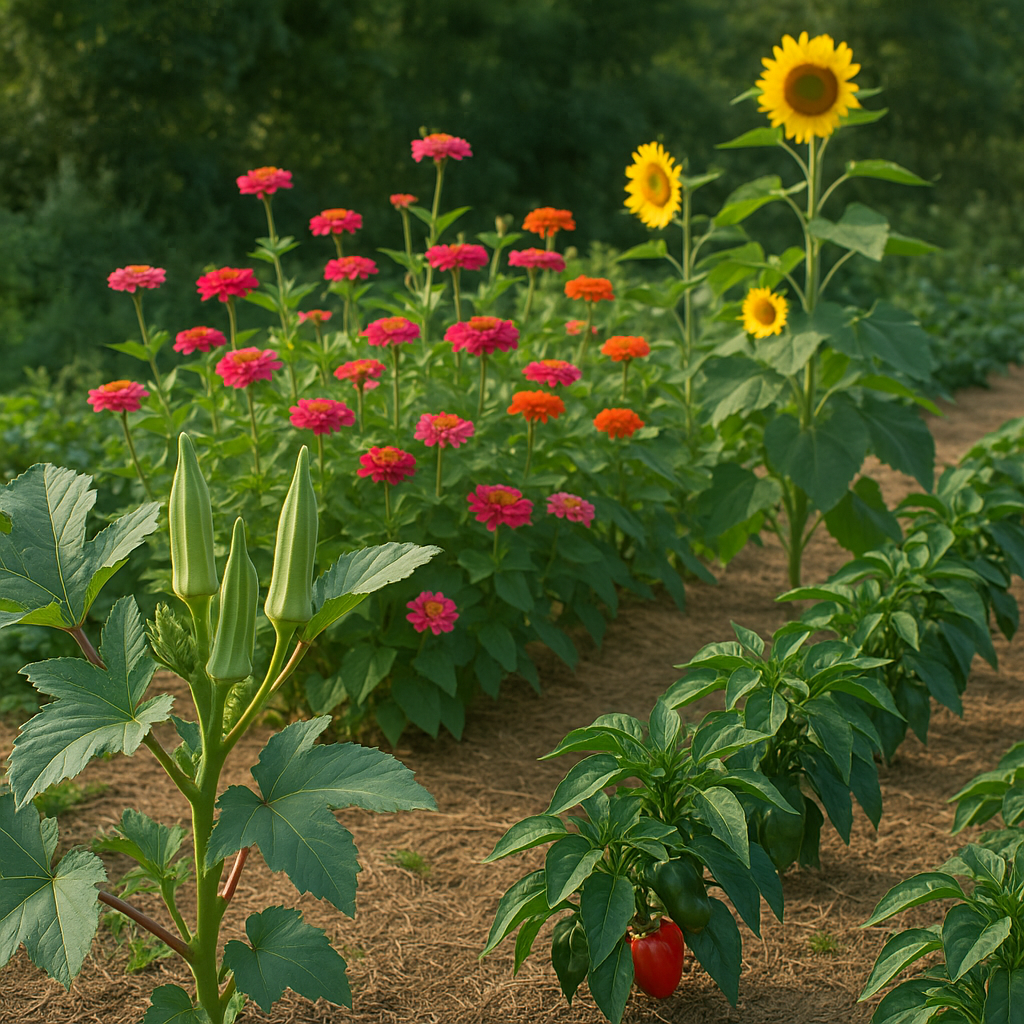
  • Vegetables: Tomatoes, peppers, cucumbers, and squash.
  • Flowers: Marigolds, petunias, and zinnias.
  • Herbs: Basil, cilantro, and parsley.

Summer

Summer gardening can be challenging due to the intense heat, but it’s also the time for harvesting:

  • Vegetables: Okra, eggplant, and sweet potatoes.
  • Flowers: Sunflowers, hibiscus, and periwinkle.
  • Herbs: Oregano, thyme, and rosemary.

Fall

Fall offers a second chance for planting cool-season crops:

  • Vegetables: Broccoli, kale, radishes, and lettuce.
  • Flowers: Mums, pansies, and asters.
  • Herbs: Chives and sage.

Winter

While winter is milder in Alabama, it’s still a good time for certain activities:

  • Vegetables: Garlic and onions.
  • Flowers: Camellias and hellebores.
  • Herbs: Indoor herb gardens flourish well during this time.

Sustainable Practices in Alabama Gardening

Sustainability is becoming increasingly important in the gardening community. Here are some eco-friendly practices that are gaining traction in Alabama:

  • Composting: Creating nutrient-rich compost from kitchen waste helps improve soil fertility.
  • Rainwater Harvesting: Collecting rainwater reduces dependence on municipal water supplies and is excellent for plants.
  • Native Plants: Growing native plants like Alabama azaleas and oakleaf hydrangeas conserves water and supports local wildlife.
  • Organic Methods: Using organic fertilizers and pesticides reduces chemical runoff and promotes a healthier garden ecosystem.

Community Spotlight: Alabama Gardening Groups and Events

Alabama is home to a vibrant gardening community with numerous groups and events that bring people together:

  • Alabama Master Gardeners Association: Offers training programs and volunteer opportunities for gardening enthusiasts.
  • Local Farmers’ Markets: Places like the Pepper Place Market in Birmingham provide a venue for gardeners to sell their produce and connect with others.
  • Gardening Workshops: Held throughout the state, these workshops offer practical advice and hands-on experience.
  • Garden Tours: Events like the Alabama Garden Tour showcase beautiful home gardens and provide inspiration.

Benefits of Gardening for Mental and Physical Health

Gardening is not only a fulfilling hobby but also has numerous health benefits:

  • Mental Health: Gardening reduces stress, anxiety, and depression by promoting mindfulness and offering a sense of accomplishment.
  • Physical Health: Activities like digging, planting, and weeding provide moderate physical exercise, improving cardiovascular health and flexibility.
  • Nutritional Benefits: Growing your own fruits and vegetables ensures access to fresh and organic produce, contributing to a healthier diet.

Practical Advice for Beginners

Starting a garden from scratch can be daunting, especially in Alabama’s unique climate and soil conditions. Here are some tips to help you get started:

  • Soil Testing: Conduct a soil test to determine its pH and nutrient levels, which will guide your fertilization strategy.
  • Raised Beds: Consider using raised beds to better control soil quality and drainage.
  • Crop Rotation: Practice crop rotation to prevent soil depletion and reduce pest problems.
  • Watering: Water deeply and infrequently to encourage strong root growth. Early morning watering reduces evaporation.
  • Mulching: Use mulch to retain soil moisture, suppress weeds, and regulate soil temperature.

Home gardening in Alabama offers a rewarding experience that combines beauty, sustainability, and community spirit. By following seasonal tips, practicing sustainable methods, and engaging with local gardening groups, you can create a thriving garden that brings joy and health benefits to your life. Whether you’re a novice or a seasoned pro, the unique climate and rich culture of Alabama provide the perfect backdrop for your gardening journey.

When to Plant Spinach in Alabama

The Best Time to Plant Spinach in Alabama

Spinach is one of those crops that makes us feel smart. It grows fast, packs a punch at the dinner table, and doesn’t ask for much—just cool weather and steady care. In Alabama, that “cool weather” part is the whole game.

Spinach is not a summer plant here. Our heat makes it bolt, turn bitter, and quit early. But in fall, winter, and early spring? Spinach can be a star. If we plant it at the right time, we can pick fresh leaves for months.

Let’s walk through when to plant spinach in Alabama, what it likes, and how to keep it happy when the weather swings.


Why Spinach Loves Alabama… in the Right Season

Spinach is a cool-season green. Think of it like a guest who enjoys a quiet porch and a mild breeze. When it’s calm outside, it thrives. When it’s blazing hot, it packs up and leaves.

In Alabama, we get two windows where spinach can shine:

  • Fall planting for harvest through winter
  • Late winter/early spring planting for a spring harvest before heat hits

If we treat spinach like a summer crop, it will punish us with bitterness and flower stalks. If we treat it like a cool-season crop, it will reward us with tender leaves.


Ideal Growing Conditions for Spinach in Alabama

Spinach grows best when we give it a few basics.

Temperature

Spinach likes it cool:

  • Best growth is often around 55°F to 65°F
  • It can handle cooler temps, especially once established
  • Heat pushes it to bolt (flower) and turn bitter

Soil

Spinach wants soil that is:

  • Moist but well-drained
  • Rich in organic matter
  • pH around 6.0 to 7.5

Spinach roots are shallow, so soil that stays evenly moist is key. But soggy soil causes rot. That’s the tightrope.

Sunlight

Spinach grows fine in:

  • Full sun in winter
  • Partial shade in warmer stretches

In spring, a little afternoon shade can buy us more harvest time before the heat ramps up.

Water

Spinach likes steady moisture. Not a flood. Not a drought. Just steady.

A good target is about 1 inch of water per week, more if it’s dry and windy.


The Best Time to Plant Spinach in Alabama

Now the big question: when do we plant?

Fall planting: the best window for most gardeners

This is the easiest time to grow spinach in Alabama.

  • Plant September through November, depending on where you are in the state.
  • The goal is to get plants established while soil is still warm, then let them cruise through cool weather.

Fall spinach tends to be sweeter, slower-growing, and longer-lasting.

Late winter to early spring planting: the backup window

If you missed fall, you can still grow a strong spring crop.

  • Plant January through early March
  • Spinach will grow fast as days lengthen, but you must beat the heat

Once warm spring weather settles in, spinach bolts quickly.

A simple rule we can trust

Plant spinach when:

  • Days are cool
  • Nights are chilly
  • The soil is workable and not mud

If we’re already thinking about shorts and mosquitoes, we’re late.


Choosing the Right Spinach Variety for Alabama

Variety matters because Alabama weather can turn on a dime.

Here are common types you’ll see, and how they behave.

Bloomsdale (Savoy type)

This is the classic crinkly-leaf spinach. Great flavor, good cold tolerance, and a strong fall choice. It can handle cool conditions well, especially with light protection.

Savoy types (in general)

Savoy spinach is usually more cold-tolerant and sturdy. It’s a good fall and winter pick.

American spinach types

Often chosen because they handle a wider range of temps. These can be a good “workhorse” choice when weather is unpredictable.

Tyee

Known for big leaves and good yield, but it often needs steady water and can be less forgiving if conditions swing dry or hot.

Space Spinach

A hardy type that can do well in cooler conditions and can be a solid option in the shoulder seasons.

Best approach: plant two varieties. One sturdy, one fast. That way you’re not betting the whole harvest on one personality.

Also, your county extension office often has the best local advice on what performs well in your exact area.


How to Plant Spinach for Best Results

Spinach is easy to plant, but spacing and timing make it better.

Planting basics

  • Sow seeds about ½ inch to 1 inch deep
  • Space seeds about 1 inch apart, then thin later
  • Rows can be 12–18 inches apart, or use wide beds

Once seedlings have a couple true leaves, thin them to:

  • 3–5 inches apart for baby leaf harvest
  • 6 inches apart for larger plants

Succession planting

If we want spinach for weeks instead of one big flush, plant in rounds:

  • sow a small patch every 10–14 days during the cool window

That’s how we keep steady harvests without panic.


Care and Maintenance Tips for Alabama Spinach

Spinach isn’t hard, but it does like attention.

Watering

  • Water deeply about once a week
  • More often in sandy soil or windy weather
  • Try to water at the soil level, not over the leaves

Wet leaves plus Alabama humidity can invite problems.

Feeding

Spinach likes fertile soil.

  • Work compost in before planting
  • If needed, feed lightly every 4–6 weeks with a balanced fertilizer like 10-10-10
  • Don’t overdo it—too much can cause soft growth and more disease trouble

Mulching

Mulch is spinach insurance.

  • It holds moisture
  • Stops weeds
  • Buffers cold snaps
  • Keeps soil temps steady

Use straw, shredded leaves, or fine mulch about 2 inches deep once seedlings are established.


Common Problems With Spinach in Alabama

We’ve got two main enemies: pests and moisture issues.

Pests to watch

  • Aphids
  • Flea beetles
  • Slugs
  • Cutworms
  • Leaf miners

Good habits help a lot:

  • keep beds clean
  • rotate crops
  • use row cover early if pests are bad
  • try insecticidal soap for aphids before anything stronger

Diseases

  • Powdery mildew
  • Root rot

Prevention is the real cure:

  • don’t overcrowd plants
  • keep air moving
  • avoid waterlogged soil
  • water the ground, not the leaves

Frost Protection Strategies That Work

Spinach can handle cold, but sudden hard freezes can still damage young plants.

Row covers

Light fabric row covers are one of the best tools you can own.

  • They trap warmth
  • Block wind
  • Protect from frost
  • Can raise temps several degrees around the plants

Mulch

Mulch acts like a blanket for the soil. It keeps roots safer and reduces stress.

Raised beds

Raised beds warm faster and drain better. They also help reduce winter sogginess, which is a sneaky spinach killer.

Sheltered spots

If you’re growing in containers or small beds, place spinach near a wall or protected area. Walls release a little warmth at night and block wind.


Harvesting Spinach the Right Way

Spinach is usually ready in about 40–50 days, often sooner for baby leaves.

Two easy harvest methods

  • Cut-and-come-again: snip outer leaves and let the center keep growing
  • Whole plant harvest: cut the plant at the base when it’s full size

For the best flavor:

  • harvest in cool weather
  • pick in the morning
  • don’t wait until leaves get old and tough

The Spinach Schedule That Usually Wins in Alabama

If we want a simple plan that works most years:

  • Plant fall spinach: September–November
  • Plant spring spinach: January–early March
  • Succession sow: every 10–14 days during cool weather
  • Use mulch + row cover: for steadier temps and fewer problems
  • Harvest often: young leaves taste best

Spinach is one of the best “value crops” we can grow. It’s fast, healthy, and generous—if we plant it when Alabama is cool enough to be kind.

And October through early spring? That’s Alabama being kind.

Secret Link