
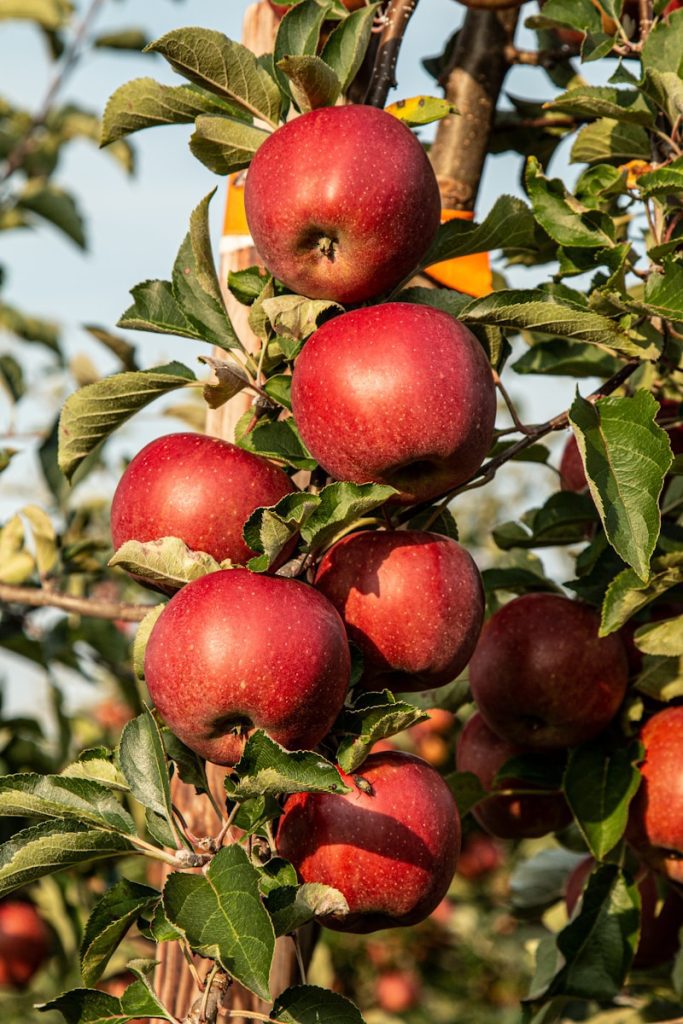
Apple trees can grow well in Alabama. The key is choosing the right type, planting at the right time, and giving the tree good care from the start.
Alabama has hot summers and mild winters. That can make apple growing a little different from cooler states, but a home orchard can still do very well.
Best Time to Plant Apple Trees in Alabama
Late winter through early spring is a good time to plant most apple trees. Bare-root trees do best when planted while they are still dormant.
Fall planting can also work in parts of South Alabama. The soil stays warm long enough for roots to start growing before spring.
Summer planting is harder. Young trees lose water fast in Alabama heat. If you must plant in warm weather, watch soil moisture closely and protect the root zone with mulch.
Choose Apple Varieties for Your Area
Apple trees need a certain amount of winter chill. That is why variety choice matters so much in Alabama. A tree that needs a long, cold winter may bloom poorly in a warm part of the state.
- Anna is a low-chill apple that works well in warmer areas.
- Dorsett Golden is another good choice for mild winters.
- Arkansas Black is an old Southern apple with firm fruit.
- Fuji can grow well in suitable Alabama locations.
Your location matters. The best choice for North Alabama may not be the best choice for the Gulf Coast. Check your local climate and your Alabama planting zone before buying trees.
Plant More Than One Variety
Most apple trees set a better crop when pollen comes from another apple variety that blooms at the same time. Plant two compatible varieties near each other when possible.
Bees do most of the pollination work. Good bloom overlap and active pollinators can make a big difference in fruit set.
Pick a Sunny, Well-Drained Site
Apple trees need full sun. Aim for at least six to eight hours of direct sun each day.
Good drainage is just as important. Apple roots do poorly in wet soil. If your site stays soggy after rain, choose a better spot or improve drainage before planting.
Before planting, get an Alabama garden soil test. A soil test can tell you the pH and help you make better lime and fertilizer choices.
How to Plant an Apple Tree
- Dig a hole about twice as wide as the root system or root ball.
- Keep the tree at the same depth it grew before. Keep the graft union above the soil line.
- Spread the roots out gently and backfill with the native soil.
- Water well after planting so the soil settles around the roots.
- Add two to four inches of mulch around the tree. Keep mulch away from the trunk.
Do not pack rich fertilizer into the planting hole. Young roots can be damaged by too much fertilizer.
Watering and Feeding
New apple trees need steady moisture during the first year. Water deeply, then let the upper soil begin to dry before watering again.
Hot, dry weather may mean more frequent watering. Heavy clay soil may need less. Avoid keeping the root zone wet all the time.
Do not fertilize by habit. Use your soil test and tree growth as a guide. Too much nitrogen can make a lot of leaves and very little fruit.
Pruning Apple Trees
Late winter is a good time for most pruning. Remove dead, damaged, or rubbing limbs first.
Keep the canopy open enough for light and air to move through it. Good airflow can also help reduce disease pressure in Alabama humidity.
Watch for Pests and Disease
Apple trees can have problems with fire blight, leaf spots, fruit pests, and other diseases. Check the tree often so you can catch trouble early.
Remove badly damaged fruit and dead wood. Keep fallen fruit and leaves cleaned up when disease is a problem. Good sanitation can lower pest pressure around the tree.
When Will an Apple Tree Bear Fruit?
Dwarf apple trees may begin to bear in about two to four years. Larger trees often take longer. The exact timing depends on the rootstock, variety, care, and weather.
Most Alabama apples ripen from summer into fall. Pick fruit when it has good color, full flavor, and comes away from the tree with a gentle lift and twist.
A Good Apple Crop Starts With the Right Tree
Growing apples in Alabama takes a little planning, but it is worth the effort. Start with a variety that fits your part of the state. Give it sun, drainage, steady water, and a compatible pollinator.
With good care, an apple tree can become a long-term part of your home garden and provide fruit for many seasons.