Kale: The Perfect Vegetable to Grow in Your Garden

Kale: The Perfect Vegetable to Grow in Your Garden

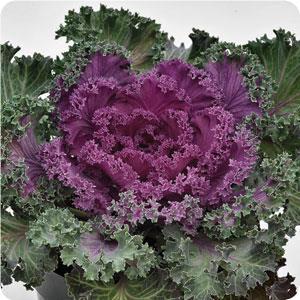
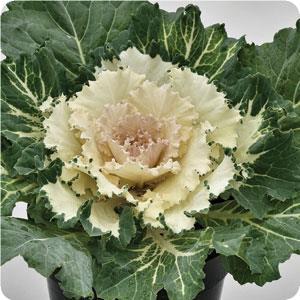
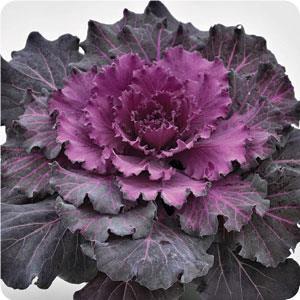
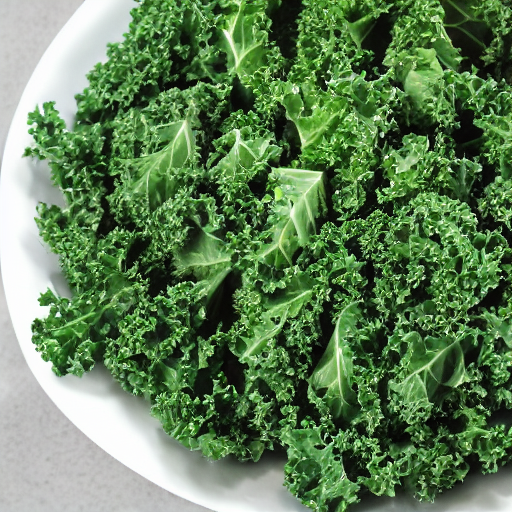
Need a easy to grow leafy green to add to your garden, kale is a great choice. Kale is hardy and can withstand cold weather, so it’s a good option for gardeners in colder climates. Kale also grows well in containers, so it’s a good choice for urban gardeners or those with limited space.

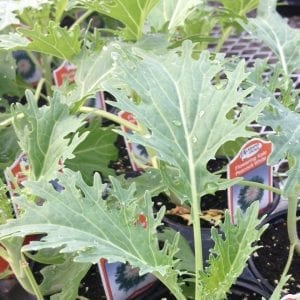
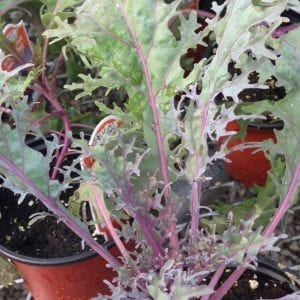
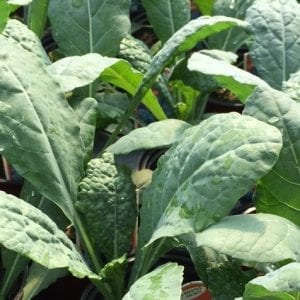
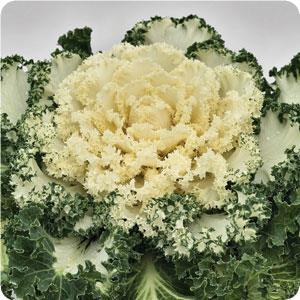
Kale comes in several varieties, so be sure to choose the variety that best suits your needs. Some varieties are more heat tolerant than others, so if you live in a warm climate, be sure to choose a heat-tolerant variety.

Kale is relatively easy vegetable to grow and doesn’t require a lot of care. Just be sure to water it regularly and fertilize it every few weeks. You can also mulch around the plants to help keep the soil moist.

If you’re looking for a nutritious leafy green to add to your garden, kale is a great choice. Kale is packed with vitamins and minerals, and it’s a good source of fiber. Kale is also low in calories, so it’s a great choice for those watching their weight.

So what are you waiting for? Get out there and start growing some kale! Your garden will thank you for it.
When to Plant Kale in Alabama

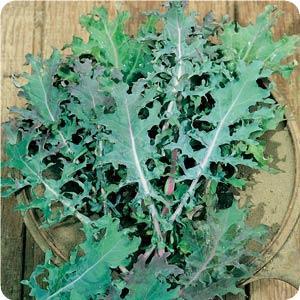
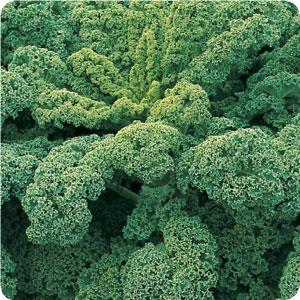
Kale is considered a cool season vegetable for Alabama, but can be planted at any time. But the best time to plant kale is in the fall, around September or October. Kale can also be planted in the spring, around March or April. It can tolerate frost and temperatures well below freezing.

For season long harvest, take only the oldest lower leaves and new leaves will grow from the top-center growth point. Cutting the top off will stop new growth and end harvesting. Once the plants bolt (flower) then the leaves become bitter.
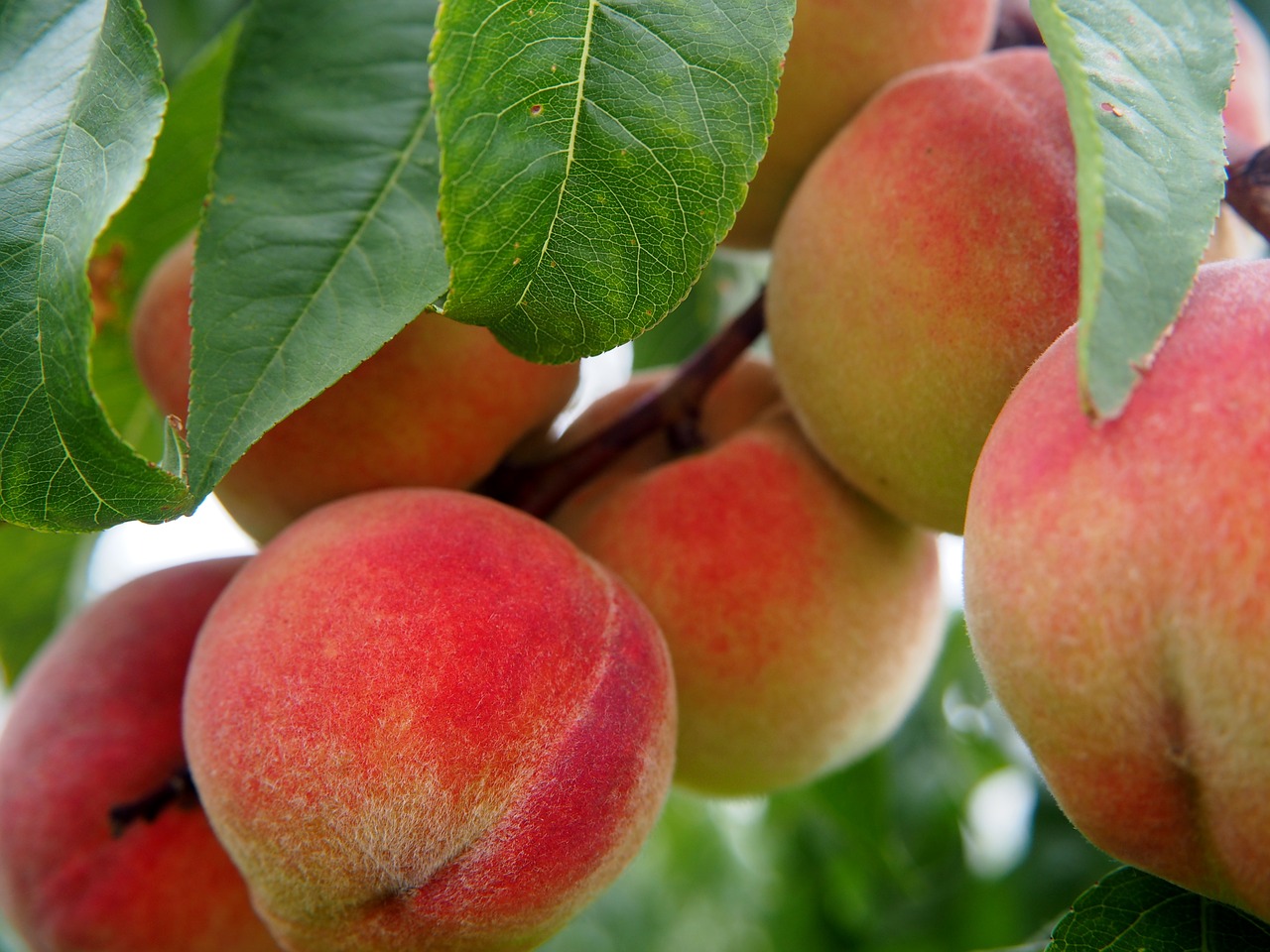
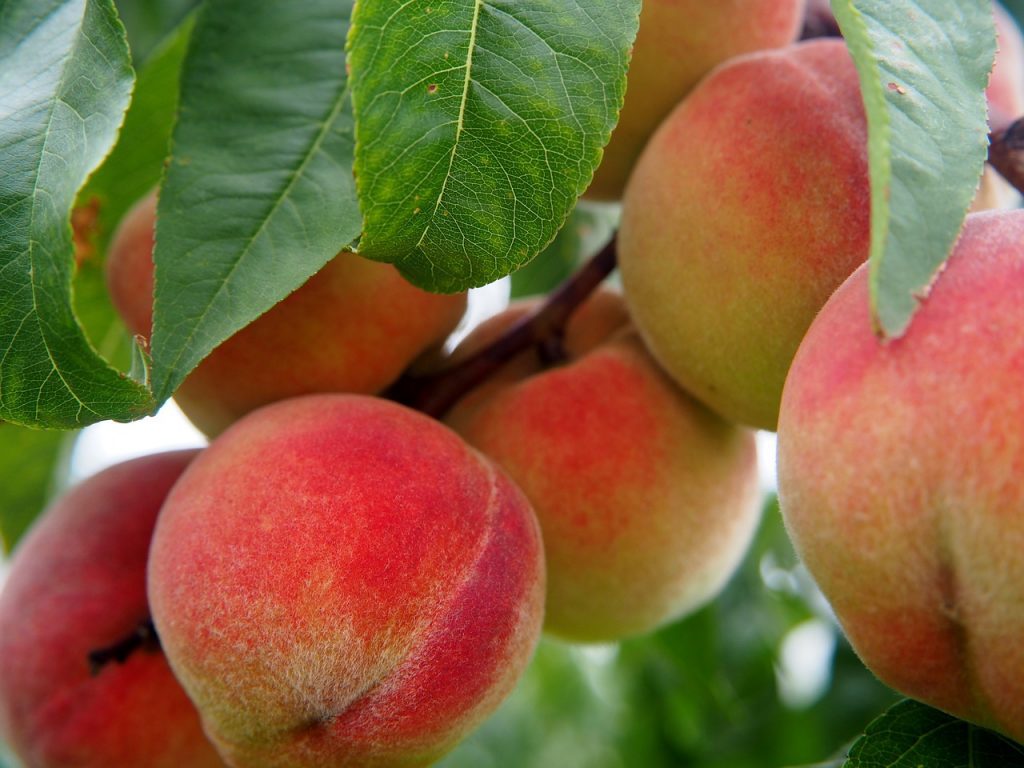
Peach Trees in Alabama

When to Plant Peach Trees in Alabama

When selecting a peach tree to grow in your garden, it is important to choose the variety that is best suited for your area and purpose. Peach trees are originally from China and can be temperamental with their blossoms. Some peach trees are more suitable for fresh eating, while others are better for canning and making preserves. There are hundreds of peach varieties, each one adapted to a particular region or purpose. Peach trees are best planted November until March in Alabama.

Choosing the Right Peach Tree

Don’t bother with a tree that does not grow well in our Alabama climate. If possible, buy peach trees that were grown locally instead of mail-ordering peach trees for your garden. If you purchase peach tress through the mail, they are likely to have trouble adjusting to the climate changes upon arrival. They may also not do well in our hot or humid climate.

You’ll want a peach tree that produces flavorful fruit with a pleasing texture and color. You will also need fruits large enough to be worth picking and processing. Peaches should not fall from the tree before you have a chance to pick them either. Sugar content will vary between peach varieties as well as harvesting time.

Select peach trees that have low susceptibility for peach leaf curl. The peach leaf curl pathogen will damage peach leaves and stunt peach tree growth. Peach leaf curl is a disease that is very common in most peach-producing regions of the world . It’s caused by a fungus. Some peach varieties are resistant or less susceptible for peach leaf curl, but all peach trees can become infected eventually if conditions are right.

Avoid peach trees that are susceptible to peach tree borer. The peach tree borer is an insect pest of peach trees that can kill the peach tree if left untreated.

Growing a Peach Tree

Plant peach trees in full sun for maximum peach tree growth. Peach trees require well-draining soil that is neither too acidic or alkaline, but they also do great in any type of soil as long as it drains well. Add decomposed organic peach tree mulch around peach tree roots to maintain moisture levels during dry seasons and to help your peach tree survive the summer heat. Look for water-stressed peach trees by observing drooping leaves or wilting branches.

Pruning peach trees correctly is important in order to get the best harvest from your tree. Pruning also helps maintain the shape of the tree and keeps it healthy. In general, prune peach trees in late winter or early spring before new growth begins. Remove any dead or damaged branches and thin out the tree to allow light and air to circulate. Cut back inward-growing branches and remove any suckers (branches that grow from the rootstock). If your peach tree is not producing fruit, you may need to do more drastic pruning, including removing the entire top of the tree.

When planting a peach tree, be sure to use a high-quality, balanced fertilizer. A 10-10-10 fertilizer is a good option and should be applied at planting and then again every six weeks. In addition, you can also apply a layer of compost around the base of the tree each year. This will help to keep the soil healthy and promote strong growth.

When to Plant Peach Trees in Alabama

When to Plant Strawberries in Alabama

When to Plant Strawberries in Alabama

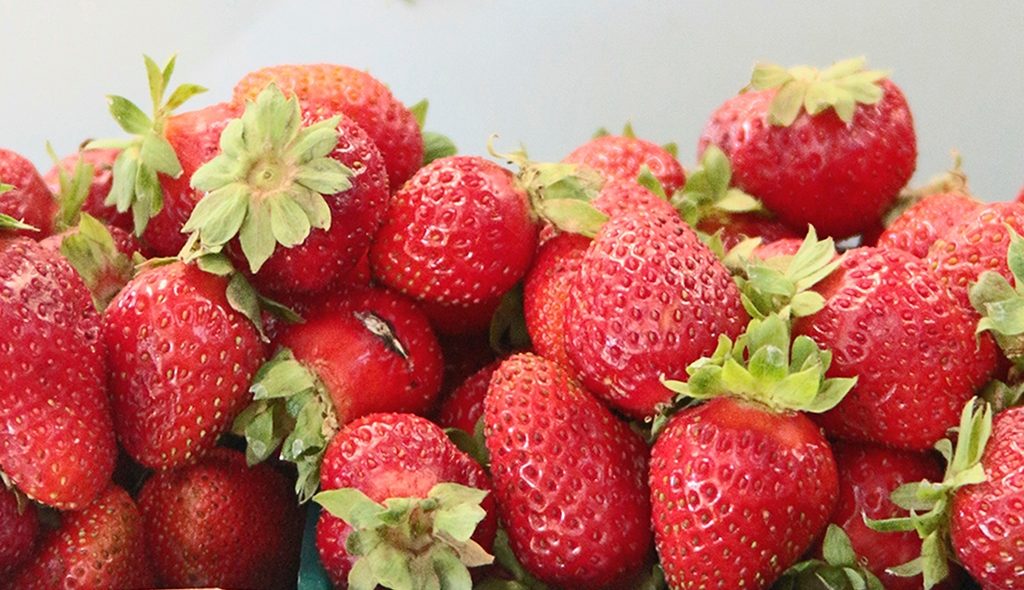
Before you start planting strawberry plants, it’s important to check their hardiness zone. Strawberries are a perennial plant that can be grown year round in zones 5-9. For zones 4 & 10, strawberries are considered an annual plant which means they must be replanted each year. Alabama is Zone 7 and is an excellent location to grow strawberries.

In this blog post, we’ll look at how to successfully plant and care for strawberries. We will also discuss diseases, pest and why it is important to protect your plants from frost.

What type of soil should I use when planting my strawberries?

It’s best to use a soil that drains well yet retains enough moisture to keep the roots from drying out. Here are a few tips for preparing your soil:

  1. Loamy Soil: Aim for a sandy loam or a loam that has a mix of sand, silt, and clay. This type of soil structure ensures good drainage while also holding sufficient moisture.
  2. pH Level: Strawberries prefer slightly acidic soil with a pH between 5.5 and 6.8. You can test your soil’s pH and amend it with lime if it’s too acidic or sulfur if it’s too alkaline.
  3. Organic Matter: Mix in plenty of organic matter such as compost or well-rotted manure. This will improve the soil structure, enhance nutrient content, and maintain moisture levels.
  4. Well-Draining: If your soil is heavy and clayey, consider raising your beds or adding sand and organic matter to improve drainage.

Preparing your soil with these characteristics will help your strawberries grow healthy and produce well.

How to Plant Strawberry Plants?

Planting strawberry plants effectively can ensure a bountiful and healthy crop. Here’s a step-by-step guide on how to plant strawberry plants:

  • Choose the Right Time
    • Plant strawberries in early spring, or in the fall in Alabama.
  • Select the Right Site
    • Choose a location that gets full sun for at least six to eight hours per day.
    • Ensure the site has good air circulation and well-drained soil.
  • Planting Layout
    • Space plants about 8-16 inches apart in rows that are 1-2 feet apart. This spacing allows for easy maintenance and harvesting.
    • For container planting, ensure there is adequate space for roots to spread.
  • Planting Technique
    • Dig holes deep and wide enough to accommodate the roots without bending or crowding them.
    • Set each plant so the crown (where the leaves emerge) is level with the soil surface. Burying the crown can cause the plant to rot.
    • Spread the roots downward and outward in the hole, then backfill with soil, gently firming it around the roots.

By following these steps, your strawberry plants should establish well and lead to a successful harvest.

When and how should I water my strawberries?

Water strawberries regularly, especially if they’re planted in spring or summer. During periods of heavy rain, you may need to stop watering every day, but after a few weeks it should be back to normal. Too much water can lessen the berry flavor and cause the berries to burst.

How do I protect my strawberry plants from frost?

Protecting strawberry plants from frost is crucial to maintaining the health and productivity of your crop. Here are effective strategies to safeguard your strawberries during cold snaps:

  • Mulching
    • Apply a thick layer of straw or pine needles over your strawberry plants. This insulation helps maintain a more consistent soil temperature and protects the roots and crowns from freezing temperatures. Remove the mulch in the spring after the last frost.
  • Floating Row Covers
    • Use floating row covers, a lightweight, breathable fabric, to cover your strawberry plants. These covers trap heat and prevent frost from settling directly on the plants. Be sure to secure the edges of the cover with rocks or soil to keep the wind from blowing it away.
  • Cloches
    • For smaller patches or individual plants, cloches can be very effective. You can use commercial cloches or make your own from materials like plastic jugs or glass domes. Place them over the plants in the evening and remove them during the day if temperatures rise to avoid overheating.
  • Cold Frames
    • Construct a cold frame around your strawberry bed. This can be as simple as a wooden frame with a clear old window on top or more complex designs. Cold frames provide a microclimate that can shield plants from harsh conditions.
  • Remove Covers During the Day
    • If you use covers (fabric, plastic, or cloches), remember to remove or vent them during the day to allow heat to escape and prevent overheating your plants.

By implementing these protective measures, you can help ensure that your strawberry plants survive through frosty conditions and continue to thrive.

Recipes: