
Growing Peonies in Alabama: Yes, You Can—If You Grow Them Smart
There’s a long-running belief that peonies and Alabama just don’t belong together. I understand why people say it. Peonies are famous for loving a real winter, and Alabama is famous for heat, humidity, and long summers that can wear out a gardener and a flower bed in equal measure.
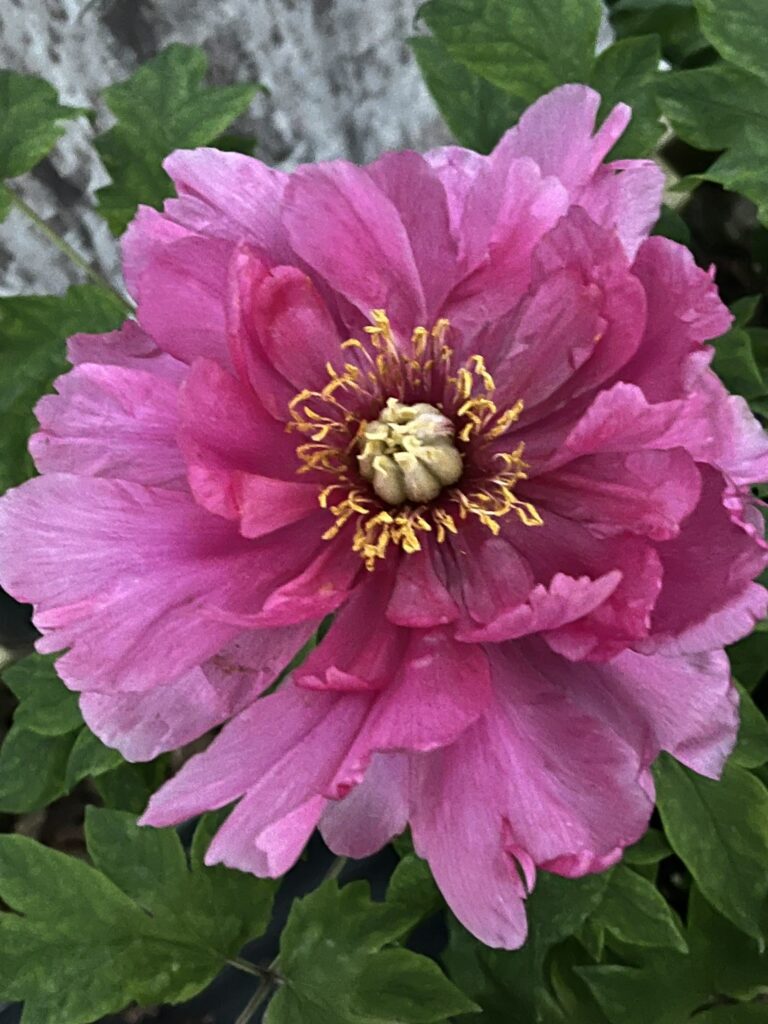
But here’s the truth from the ground level: peonies can be grown in Alabama. You just have to quit treating them like they’re in Iowa and start growing them like they’re in Alabama.
That means paying close attention to winter chill, drainage, planting depth, and variety selection. It also means being honest about where in the state you garden. A peony in north Alabama has a much easier path than one down near the coast. Still, even in the warmer parts of the state, I’ve seen gardeners pull off beautiful blooms by choosing the right spot and resisting the urge to over-love the plant.
The First Thing to Know: Alabama Is Not One Peony Climate
One of the biggest mistakes gardeners make is talking about Alabama like it has one uniform growing condition. It doesn’t. Our state stretches across a pretty wide range of winter temperatures and summer intensity, and peonies notice that.
In the cooler parts of north Alabama, peonies have a fighting chance to settle in and bloom with some consistency. In central Alabama, success often depends on variety and siting. In the southern end of the state, especially where winters stay mild, peonies become more of a specialty plant. They may survive just fine, but blooming can be inconsistent if they don’t get enough winter chill.
That’s the heart of the matter. Peonies need dormancy. They need that seasonal reset. If they don’t get it, you may still get foliage, but the flowers can be sparse, weak, or absent.
So no, I would not tell every Alabama gardener to rush out and plant ten peonies. But I absolutely would tell a careful gardener to try them, especially if they’re willing to match the plant to the site instead of forcing the site to fit the plant.
Start With the Right Type
If you’re gardening in Alabama, I would lean toward reliable, tough herbaceous peonies first, and I would be picky. In warmer areas, low-chill selections matter. Itoh, or intersectional, peonies are also worth a look because they often bring stronger stems and excellent flower quality, though they’re usually more expensive.
I’m cautious with tree peonies for the average Alabama gardener. They can be stunning, no doubt about it, but they are not where I’d tell most folks to start if they’re just trying to get a dependable peony established in our climate.
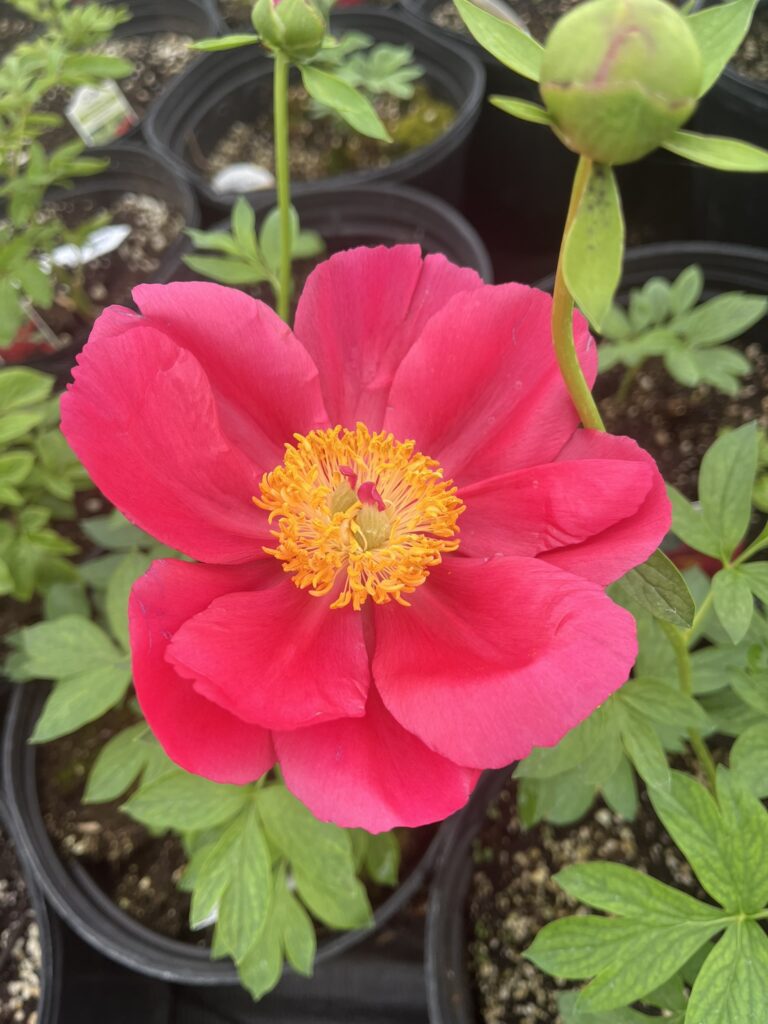
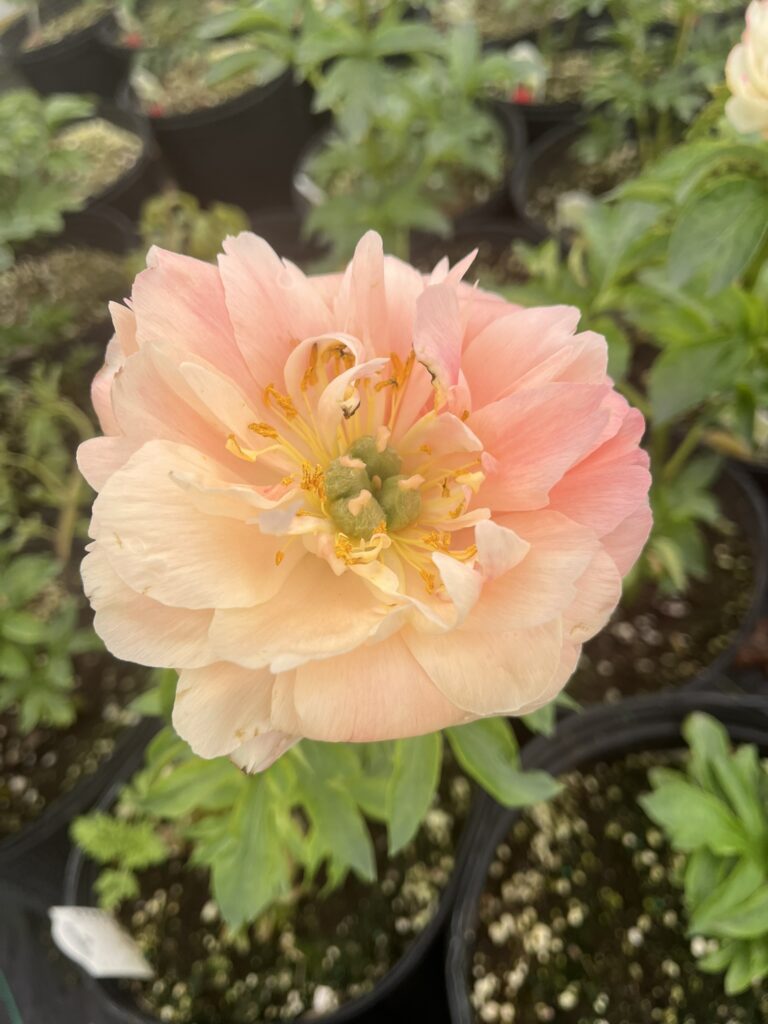
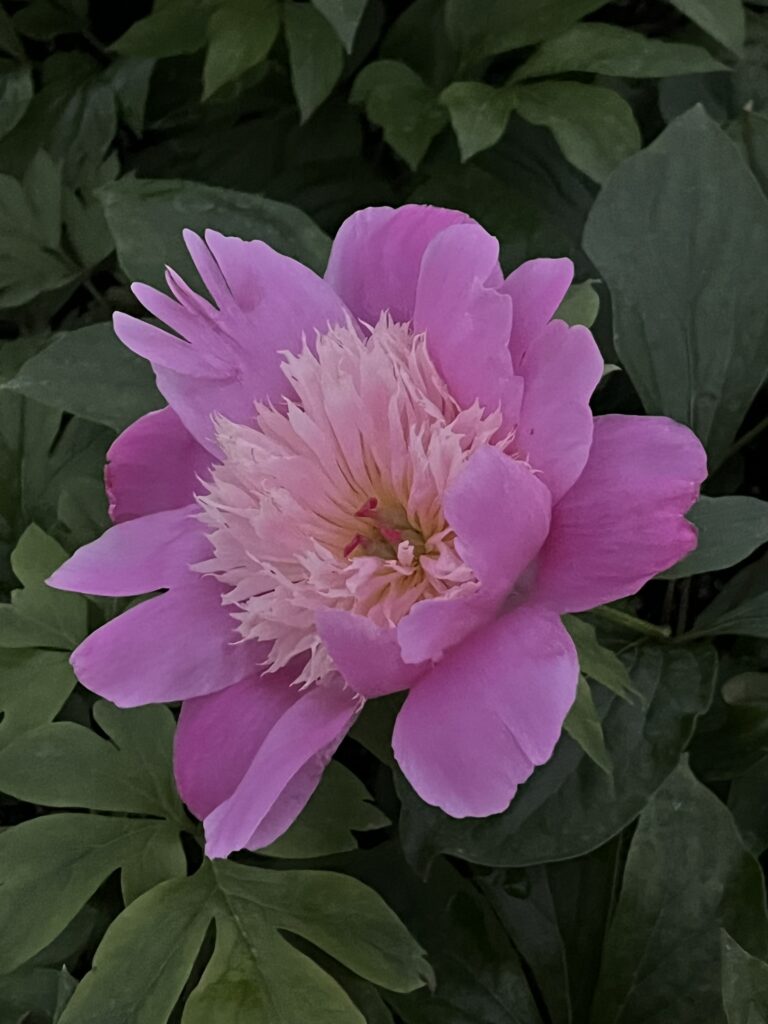
In a warm Southern garden, simpler flowers often hold up better too. Huge, overstuffed double blooms can be gorgeous, but they can also flop after a spring rain or look rough faster in heat. Singles, semi-doubles, and sturdy mid-sized doubles are often the wiser choice here.
Plant in Fall, Not Spring
This is one of those rules I don’t like to bend. Plant peonies in fall.
That’s when they want to make roots. Fall planting gives them time to settle in before they face an Alabama summer, which is really the season that separates a well-rooted plant from a struggling one. Spring-planted peonies can survive, but they’re already behind, and in our climate that can matter.
Around here, I think of peony planting season as running from late September into October, sometimes a bit later depending on weather and location. The point is to get them in while the soil is still workable, but before winter slips by.
Plant Them Shallow—Shallower Than You Think
If there is one peony mistake I see over and over, it’s planting too deep.
In colder climates, gardeners can get away with burying the crown a bit more. In Alabama, that’s a recipe for a handsome green plant that refuses to flower. In our warmer conditions, the buds, or “eyes,” need to sit very close to the soil surface. In many Alabama gardens, about an inch deep is enough.
That feels wrong to a lot of people. We’re used to planting things down where they feel protected. But peonies are different. Bury them deep, pile mulch over the crown, and you can easily insulate them out of the chill they need.
So plant shallow. And when winter comes, don’t smother the crown with a thick blanket of mulch.
Give Them Morning Sun and Excellent Drainage
Peonies like sun, but Alabama sun is not the same as Northern sun. That’s why I like a site with strong morning light and some relief from the hottest late-afternoon blast, especially in central and south Alabama.
More important than that, though, is drainage.
Peonies hate wet feet. They will not reward you for planting them in a soggy bed, a heavy clay pocket that stays saturated, or a low place where water stands after a thunderstorm. If your soil is tight and sticky, I’d improve the bed before I ever bought the plant. Raised beds can help. So can adding organic matter and choosing a slightly elevated planting area.
Air movement matters too. Alabama humidity can sit on a planting like a wet towel. Good spacing and open air around the plant go a long way toward keeping the foliage cleaner.
Don’t Overfeed Them
A peony is not a petunia. It doesn’t need constant pushing.
Rich, well-prepared soil does most of the work. A light feeding as growth emerges in late winter or very early spring is usually enough. Too much nitrogen can leave you with lots of leafy growth and less bloom. That’s not what anybody plants a peony for.
I also think gardeners get in trouble by babying peonies with frequent watering. Newly planted peonies need steady moisture while they establish. After that, they’re tougher than people think. Water during dry spells, especially in bloom season, but don’t keep the bed wet all the time.
Alabama Humidity Is the Real Test
The flowers get all the attention, but foliage is where Alabama often shows who’s boss.
Our warm, humid conditions can encourage leaf blotch, powdery mildew, and botrytis problems, especially where plants are crowded, shaded, or watered from overhead late in the day. Once those diseases get started, the best fix is usually better culture, not panic.
That means cleaning up old foliage in fall. It means removing infected debris instead of letting it sit there. It means not planting peonies jammed up against a wall or in a still, shady corner where nothing dries out.
This is one of those places where a good gardener can make average conditions work. Sanitation and spacing matter.
Be Patient With Them
A peony is not an instant-gratification perennial. Sometimes it takes a year or two after planting before it really begins to perform. That delay makes some gardeners think they’ve failed, when the plant is simply settling in.
When peonies are happy, though, they can stay put for years. That’s part of their charm. They are old-fashioned plants in the best sense of the phrase. They don’t want to be moved around every season. They want a good spot, a little patience, and enough winter to know when to wake up.
My Alabama Bottom Line
Would I recommend peonies in Alabama? Yes—but with conditions.
If you garden in north Alabama, I’d say go for it. In central Alabama, I’d say choose carefully and plant thoughtfully. In south Alabama, I’d say try them only if you’re willing to experiment and accept that bloom may be less dependable.
The gardeners who succeed with peonies here are usually the ones who keep it simple. They plant in fall. They plant shallow. They don’t drown the crown in mulch. They give the plant morning sun, good soil, and room to breathe.
That’s really the Alabama lesson with peonies. You don’t grow them by pretending our climate is something it isn’t. You grow them by understanding exactly where you are, then helping the plant meet you there.
And when a peony opens well in an Alabama garden, it feels earned. That may be one reason I like them so much here. They’re beautiful anywhere. But in Alabama, they also tell the truth about good gardening.