
Fertilizer can help plants grow. But more is not always better. Plants need the right food, at the right time, and in the right amount.
Start with the soil and the plant. A healthy garden may need only a little added food. Too much can burn roots, waste money, and wash away.
What the N-P-K Numbers Mean
Most fertilizer bags show three numbers, such as 10-10-10. The numbers tell you how much nitrogen, phosphorus, and potassium are in the bag. These are called N-P-K.
- Nitrogen helps make green leaves and stems.
- Phosphorus helps plants use energy and form roots, flowers, and seed.
- Potassium helps plants move water and supports many basic plant jobs.
Plants also need small amounts of other nutrients. These include calcium, magnesium, sulfur, iron, zinc, and more. A plant can still have trouble if one of these is too low.
More Phosphorus Does Not Always Mean More Blooms
One common myth is that more phosphorus will always make more blooms. That is not true. A plant needs phosphorus, but extra phosphorus will not help if the soil already has enough. Too much can also make some other nutrients harder to use.
Nitrogen Comes in Different Forms
Plants take up nitrogen mainly as nitrate or ammonium. Urea is also common in garden fertilizer. Soil life changes urea into forms that roots can use.
The best nitrogen choice can change with the soil, crop, and weather. Cold soil slows some of the changes that happen after urea is put down. Our guide to winter nitrogen in Alabama gardens explains why cool weather changes how fertilizer works.
Feed Plants When They Can Use It
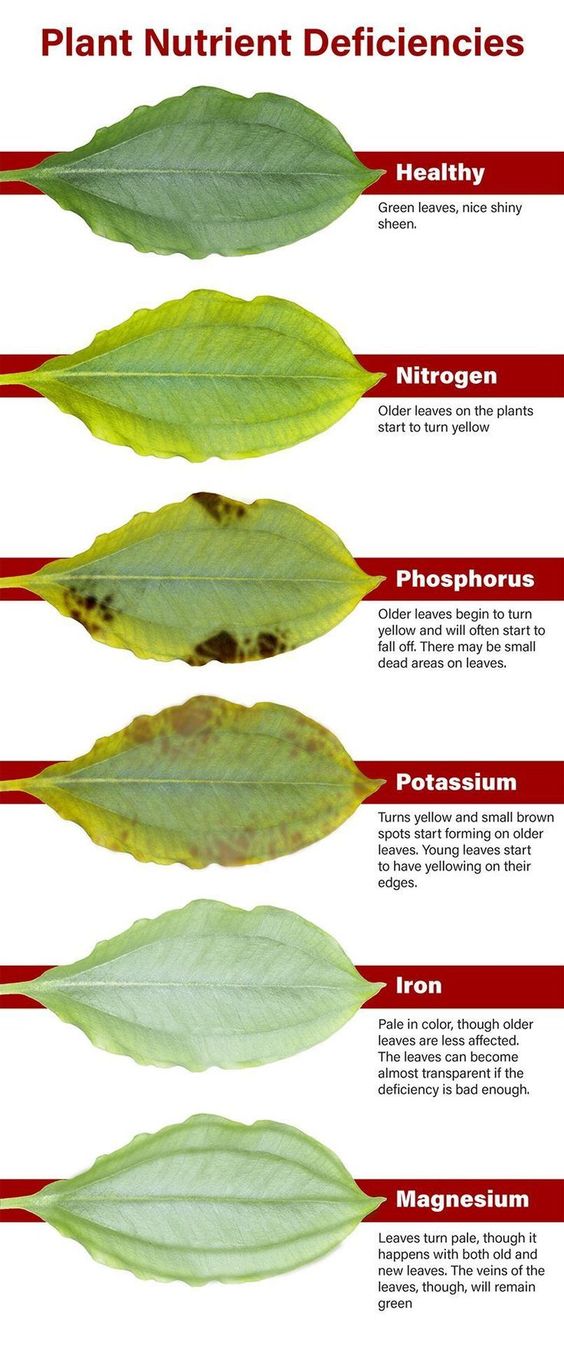
Feed plants when they are growing and can use the food. The best time depends on the plant. Warm-season plants use more food during warm growth. Cool-season crops may need food in fall or early spring.
Do not add fertilizer just because leaves look pale. Yellow leaves can have many causes. Wet soil, dry roots, cold, poor drainage, bugs, disease, or the wrong soil pH can all cause stress.
Test the Soil Before You Guess
A garden soil test is a good place to start. It can show soil pH and key nutrient levels. The report can also tell you if lime or fertilizer is needed.
Soil pH changes how easy it is for roots to take up food. Many garden plants like soil that is a little acid, but each crop is different. If the pH is too high or too low, a plant may show signs of hunger even when food is in the soil.
Containers Need Extra Care
Pots need extra care. Small pots hold less soil, so salts can build up fast. Follow the label. Do not make the mix stronger than the plant needs. This matters with heavy-feeding annuals such as calibrachoa, which can show nutrient problems quickly when root conditions are off.
A good fertilizer plan is simple. Test the soil. Know what you grow. Use the label rate. Watch the plant. The goal is steady growth, not the biggest dose.